Sunroom & Screened Porch Builders in Austin, TX
For 40+ years, All Seasons has built custom sunrooms & screened porches for Austin homeowners. 5,000+ outdoor projects completed across Central Texas. Fixed pricing, full warranties, same crew start-to-finish.
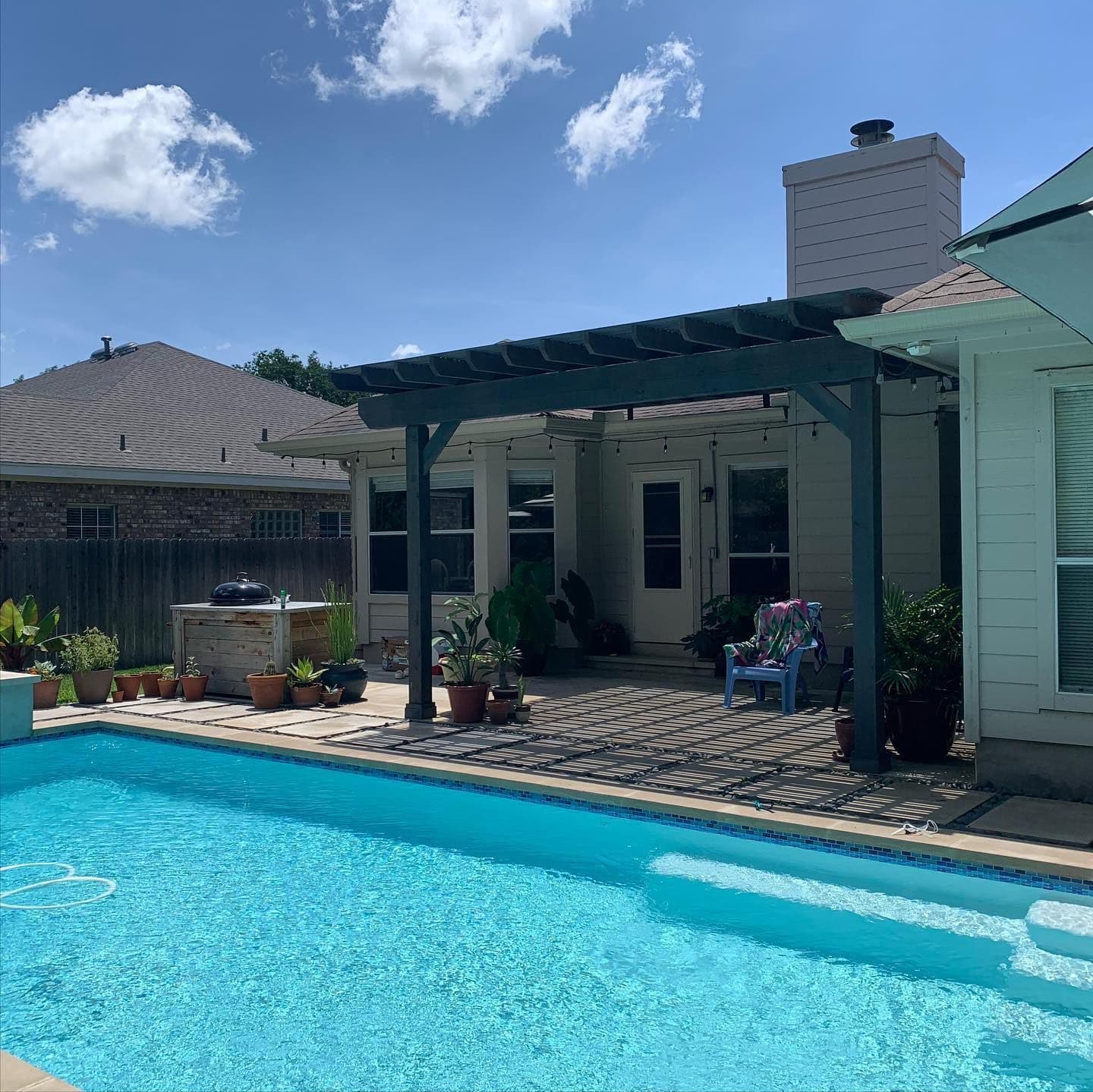
For most Austin homes, a screened porch with a ceiling fan is the more comfortable room in July, and a four-season sunroom with a mini-split is the only one that is comfortable in both July and January. Screening in an existing 12x16 covered patio typically costs $8,000 to $14,000. A 14x16 four-season room runs $55,000 to $90,000.
Screens or glass in Austin's heat
Austin runs hotter than the surrounding suburbs, and it holds heat after dark. A screened porch lets that evening air move through, and with a fan it feels cooler than the air temperature. A three-season sunroom closed up on a west wall in August does the opposite: it traps heat unless you open the windows or add cooling.
So the question is how you want to use the room. For evenings from March to November, screens win. For a home office or breakfast room you want to sit in at 3pm in August, only a four-season room with insulation, low-E glass, and a mini-split does the job, at $200 to $350 per square foot installed.
Screening an existing covered patio in central Austin
Many central Austin homes already have a covered back porch or an older patio cover. If the posts, beam, and footings are sound, screening it is the best value we build. The catch in older neighborhoods is height: low porch ceilings leave little room for a screen door with a proper header, and old posts are sometimes resting on a slab edge instead of footings.
We check all of it before quoting. Where a post needs a new footing, that is in the price. In east Austin clay, it has to go below the zone that moves, or the screen door will start sticking within a season or two.
Trees, creeks, and tight screens
Homes near Austin's creeks and greenbelts see heavy mosquito pressure most of the year. Mosquitoes rarely get through the mesh itself. They get in at gaps: along the bottom plate, around the door, and where the screen walls meet the roof. We seal all three.
Big shade trees also drop leaves and pollen onto porch roofs and into gutters. Gutter guards and a roof pitch that sheds debris keep water from backing up at the wall connection. If new footings are needed near a protected tree, the City of Austin tree ordinance applies, and we lay out posts around the root zone.
Permits and energy code for Austin sunrooms
The City of Austin permits enclosed rooms attached to the house, and it is the strictest jurisdiction we work in. A screened porch is reviewed as a structure. A conditioned four-season room is closer to a home addition, so insulation values, window specs, and the mechanical system get checked under the energy code.
We prepare drawings and specs for that review and handle the revisions and inspections. Plan for more review time on a conditioned room than on screens.
We Know Austin Backyards
Austin is two different building sites depending on where you live. West of MoPac, many lots sit on limestone under a few inches of soil. East of I-35, expansive clay runs deep. Add the strictest permit process in the area and a tree ordinance that protects large trees, and planning matters more here than anywhere else we work. We build decks, covered patios, pergolas, gazebos, screened porches and outdoor kitchens across Austin.
Permits, HOAs, soil and local building tips for Austin
"Austin soil changes more across town than people expect. West of MoPac you're often on rock with a little dirt on top. East of I-35 it's deep clay that moves. Same deck design, completely different footings. And in the central neighborhoods, the big oak in the backyard usually decides where the deck goes before we do."
- Peter Toomey, Founder
Why Sunrooms & Screened Porches Matter Here
Central Texas has one of the longest mosquito seasons in the country - roughly February through November in a warm year. That means an open patio is a battle for most of the year, and an uncovered one is unusable all summer. A screened porch gives you the breeze without the bugs. A sunroom goes further: real windows, real comfort, and usable square footage in January and August alike. Either way, you're converting space you avoid into space you live in - and quality enclosed outdoor space is one of the features Austin-area buyers consistently pay attention to.
Bug-Free Outdoor Living
Mosquitoes are the number one reason Central Texas patios sit empty. A properly built screen room ends that problem completely - evenings on the porch from spring through fall without a citronella candle in sight. We build tight: screen panels tensioned correctly, doors that seal, and no gaps at the roofline where bugs sneak in.
Built as a Real Structure
We don't staple screen to an existing patio and call it a screen room. We frame screened porches and sunrooms as true structural additions - engineered posts and beams, proper roof tie-in, correct flashing where it meets your house. That's the difference between 5 years and 30 years.
Three Levels of Enclosure
Screened porch, three-season room, or four-season sunroom - we build all three and we'll tell you honestly which one fits your budget and how you'll actually use the space. Plenty of clients start with screens and upgrade to windows later; we can design for that from day one.
Convert What You Already Have
If you have a covered patio or a solid deck, you may be closer to a screened porch than you think. We assess the existing structure, tell you straight whether it can carry the new loads, and quote the conversion at a fraction of a ground-up build when the bones are good.
Frequently Asked Questions
Sunrooms & Screened Porches in Nearby Cities
Planning Sunrooms & Screened Porches in Austin
- PlanningHow to Choose a Sunroom Contractor in Austin, TX: Three and Four Season RoomsRead the guide
- PlanningPatio Enclosures in Austin, TX: Screens, Windows or a Four Season Room (2026)Read the guide
- PricingScreened Porch vs Sunroom Cost in Austin, TX (2026 Pricing)Read the guide
- PermitsAustin Deck Permits: What You Actually Need to Know Before BuildingRead the guide