Deck Repair & Replacement in Round Rock, TX
For 40+ years, All Seasons has built custom deck repair & replacement for Round Rock homeowners. 5,000+ outdoor projects completed across Central Texas. Fixed pricing, full warranties, same crew start-to-finish.
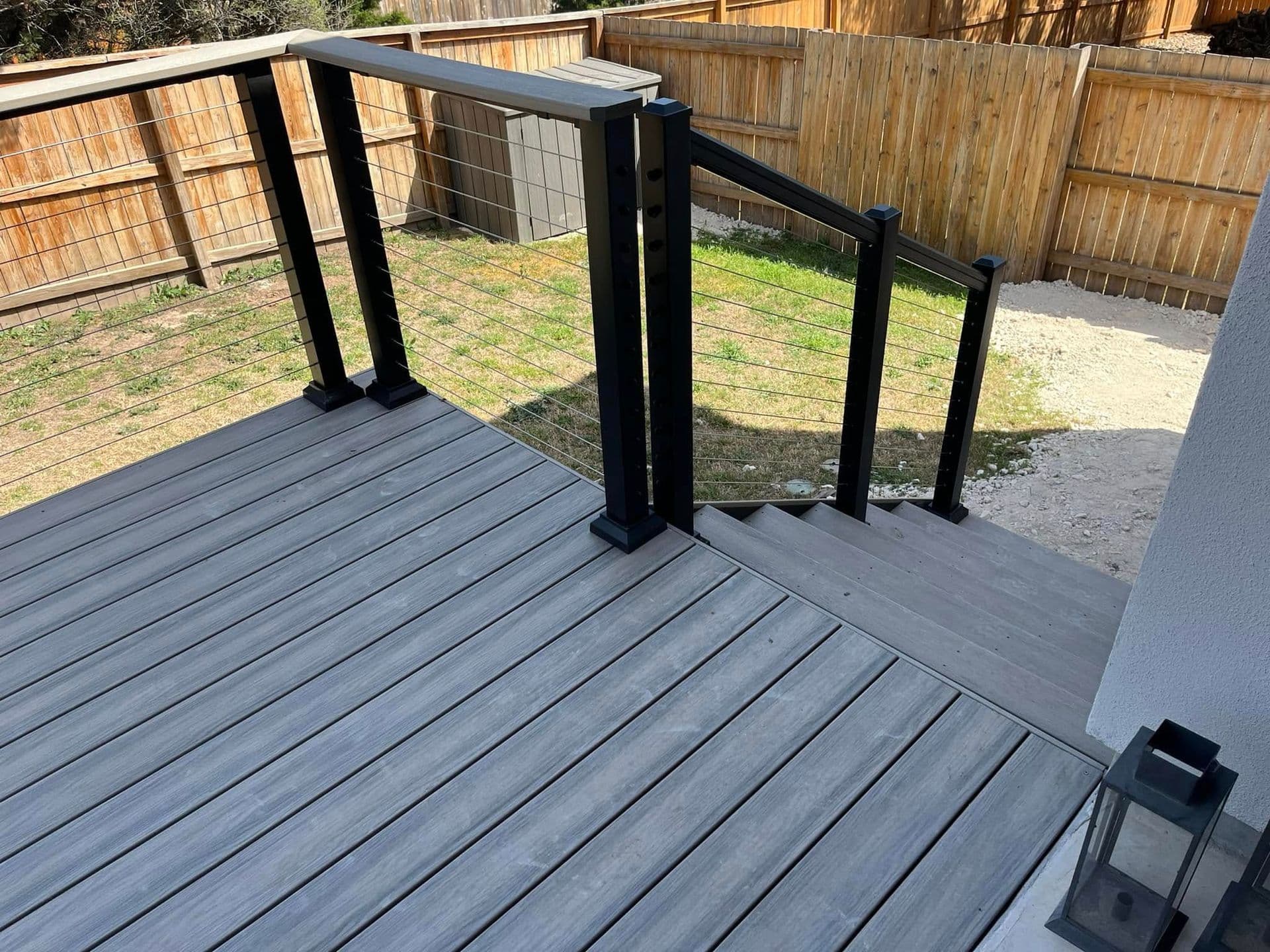
All Seasons Decks repairs decks across Round Rock, from Brushy Creek and Forest Creek to the east side neighborhoods on clay. The detail that matters most on a Round Rock repair is timing: structural fixes generally need a City of Round Rock permit, and the city quotes about 30 business days for review. We sort out which repairs can happen now and which need that permit, so a safety problem does not wait six weeks.
Racked Posts on East Side Clay
East of I-35, Round Rock sits on Blackland Prairie clay that swells and shrinks. Decks on shallow footings rise and fall with it, and years of that movement rack the posts out of plumb, pull joist hangers loose, and open a gap at the house. Shimming the posts does not solve it.
The lasting fix is new footings set below the active clay, with posts reset on them. For one section of a deck, structural repair of this kind typically runs $3,000 to $8,000.
Older Decks West of I-35
Established neighborhoods like Brushy Creek and Forest Creek have many decks that are 20 years old or more. Here the ground is steadier, and the typical problems are the ones that come with age: rot at the ledger where flashing failed, soft joist tops under the boards, and railings that no longer meet current height and spacing rules.
Railing replacement runs $35 to $70 per linear foot installed. On a typical 50 ft run, that is $1,750 to $3,500.
Round Rock Permit Costs and Timing
The City of Round Rock handles permits through permits.roundrocktexas.gov under the 2024 IRC. The fee is $125 for an uncovered deck. Review runs about 30 business days. Like-for-like board replacement generally needs no permit, so if the deck has an urgent surface problem we can often fix that first while structural work goes through review.
Is a Rebuild the Better Buy?
A full rebuild on the existing footprint of a 16x20 deck runs $16,000 to $26,000. Half of that is $8,000 to $13,000. If the structural repairs on your deck approach that number, a rebuild usually makes more sense, and we will show you both prices.
There is one exception to waiting on review. If a railing is loose or a section of deck is unsafe, we can block off or temporarily brace it right away so the deck is not a hazard while the permit is pending. Temporary bracing is not a repair, but it keeps people safe during those six weeks, and we remove it when the permanent work goes in.
Most repairs take 1 to 4 days of work once any required permit is issued, and the same crew handles the job from start to finish. If the existing deck sits inside a 5 ft setback or an easement, a rebuild may have to shrink to meet today's rules, which we check against your plat before quoting.
We Know Round Rock Backyards
Round Rock is Williamson County's largest city, and it straddles two kinds of ground: limestone on the west side and Blackland clay to the east. It also has some of the clearest published permit rules in the area, down to the fee for an uncovered deck. We build decks, covered patios, pergolas, gazebos and screened porches in Round Rock and handle the city permit and HOA approval.
Permits, HOAs, soil and local building tips for Round Rock
"Round Rock is easy to plan if you start with the city's rules. Five feet off the side and back property lines, nothing in an easement, and the review takes a while. So we lay the deck out against your survey on day one. Then we look at the dirt, because the west side and the east side are two different jobs."
- Peter Toomey, Founder
Why Deck Repair & Replacement Matter Here
A failing deck isn't a cosmetic problem, it's a safety problem. Most deck collapses trace back to two failure points: the ledger connection pulling away from the house, and rotted posts or footings giving way under load. Both hide from view until they let go, usually when the deck is full of people. In Central Texas, our expansive clay soil heaves footings seasonally and our brutal sun cooks fasteners and flashing. A deck that was built fine in 2005 may not be fine today. An inspection costs you a phone call; ignoring the wobble can cost a lot more.
A Straight Answer, Not a Sales Pitch
We tell you whether your deck is worth repairing before we quote anything. If replacement is the smarter spend, we say so and show you why - rot you can probe, connections you can see moving. No scare tactics, no invented urgency.
42 Years of Diagnostic Experience
Since 1984 we've built, repaired, and torn out thousands of Central Texas decks. We know exactly where decks fail here: ledger flashing, post bases, stair stringers, and footings in clay soil. We check the failure points other contractors walk right past.
Repairs Done to Current Code
Old decks were often built to codes that no longer exist - 2x2 railings, notched posts, nailed ledgers. When we repair, we bring the repaired sections up to today's standards, so your deck is genuinely safer, not just prettier.
Fixed Written Pricing
Repair work is where some contractors love to 'discover' problems mid-job. Not us. After we open things up and assess, your quote is your price, in writing. We've been estimating this work long enough to get it right the first time.